Author: shrwanswami@gmail.com

  • Tree Removal Crane: A Safer Approach for Large Trees

    Tree Removal Crane: A Safer Approach for Large Trees

    Large trees can add beauty and shade to a property, but removing them becomes challenging when branches extend over homes, pools, fences, power lines, driveways, or other structures. A tree removal crane can provide a controlled solution for projects where conventional cutting and lowering methods may create unnecessary risks or property damage.

    For property owners in Arizona, professional crane-assisted tree removal can be especially useful when dealing with mature trees, restricted access, storm-damaged growth, or complicated landscapes. AZ Crane & Grapple provides specialized crane and grapple equipment for residential and commercial projects throughout Arizona, with a focus on controlled lifting, property protection, and efficient debris handling.

    Why Large Tree Removal Requires Careful Planning

    Tree removal is more than simply cutting through a trunk. The size, location, condition, and surrounding environment of a tree all influence how safely it can be dismantled.

    A mature tree positioned close to a building may not have enough open space for branches or trunk sections to fall naturally. Traditional removal techniques can require extensive rigging, multiple cutting stages, and careful lowering of heavy sections.

    Before work begins, several factors should be assessed:

    • Tree size, structure, and overall condition
    • Nearby buildings, fences, pools, and landscaping
    • Available equipment access
    • Power lines and other potential hazards
    • Ground conditions and available setup space
    • Size and weight of branches or trunk sections
    • Cleanup and hauling requirements

    Professional planning helps determine whether crane-assisted removal is suitable for the property.

    How a Tree Removal Crane Supports Controlled Removal

    A crane changes the way large sections of a tree can be handled. Instead of allowing heavy pieces to fall or relying entirely on ropes and manual lowering, crane equipment can lift selected sections and place them in a designated area.

    This approach can be particularly valuable when a tree is located in a tight residential setting. Large sections can be removed vertically and moved away from sensitive areas before being lowered.

    The process generally involves several stages:

    1. Site assessment: The work area is reviewed to identify access limitations, nearby structures, hazards, and potential landing zones.
    2. Crane positioning: Equipment is positioned where lifting operations can be performed safely and effectively.
    3. Removal planning: Tree sections are identified and prepared for controlled lifting.
    4. Section lifting: Cut sections are attached appropriately and lifted with controlled crane movements.
    5. Placement: Removed material is lowered into a suitable area for processing, hauling, or further handling.
    6. Cleanup: Logs, branches, and debris can be loaded and removed from the property.

    Each project requires site-specific planning because tree structure, terrain, access, and surrounding hazards vary.

    Tree Removal Crane Services for Difficult Locations

    Some of the most challenging tree projects involve properties where there is very little room for conventional removal. A mature tree may stand between a house and a property boundary, beside a pool, inside a landscaped backyard, or near a commercial building.

    In these situations, specialized lifting equipment can help reduce the need to drag large pieces across the property. This can help limit disruption to lawns, driveways, landscaping, and other surfaces.

    Crane-assisted removal may be especially practical for:

    • Large mature trees
    • Trees positioned near homes
    • HOA communities with restricted spaces
    • Commercial properties
    • Trees near pools and fences
    • Storm-damaged trees
    • Difficult-access properties
    • Heavy trunk and limb removal

    The objective is not simply to remove the tree. The objective is to manage each section in a controlled manner while considering the surrounding property.

    Property Protection Should Be Part of the Plan

    One of the biggest concerns during large tree removal is what happens to everything surrounding the tree. A falling branch or heavy trunk section can damage structures, landscaping, irrigation systems, driveways, or other valuable features.

    A crane-assisted approach can help provide greater control over where heavy sections are moved. Instead of depending entirely on gravity and available drop zones, selected pieces can be lifted and directed toward an appropriate landing area.

    However, equipment alone does not guarantee a safe project. Proper planning, experienced operators, suitable rigging practices, communication, and site awareness remain essential.

    Property owners should ask service providers about the removal process, equipment requirements, access needs, and property-protection measures before work begins.

    Arizona Conditions Can Make Tree Projects More Complex

    Arizona properties have their own set of environmental and access challenges. Desert landscaping, mature shade trees, narrow residential lots, intense weather, and seasonal monsoon activity can all influence tree-removal requirements.

    Storms can leave broken limbs or partially uprooted trees in unstable positions. These situations may require prompt attention because damaged trees can create hazards for residents, vehicles, buildings, and surrounding areas.

    AZ Crane & Grapple offers storm cleanup, emergency tree services, log and debris hauling, and heavy material handling alongside crane-assisted tree removal. The combination of lifting and hauling capabilities can help address projects involving both tree sections and substantial debris.

    Choosing the Right Equipment for Large Tree Projects

    Not every tree requires a crane. Smaller trees in open areas may be manageable using conventional equipment and established removal techniques.

    A crane becomes more valuable when the tree’s size, position, or surroundings create additional handling challenges. An experienced service provider can assess the site and determine whether specialized equipment makes practical sense.

    Consider asking these questions before scheduling service:

    • Is the tree located close to a structure?
    • Are large sections difficult to lower safely?
    • Is access for traditional equipment limited?
    • Could falling material damage landscaping or property?
    • Has storm damage made the tree unstable?
    • Will substantial logs and debris need to be hauled away?

    Clear answers can help establish the right approach before work starts.

    Crane-Assisted Tree Removal and Debris Handling

    Removing the tree is only one part of a large project. Once heavy branches and trunk sections are on the ground, they still need to be processed, loaded, and transported.

    Grapple truck services can complement crane-assisted removal by handling logs, brush, storm debris, and oversized material. This can reduce manual loading requirements and help move substantial amounts of debris more efficiently.

    For contractors, property managers, municipalities, and large residential cleanup projects, combining specialized lifting with hauling services can make the entire workflow more practical.

    A coordinated approach also helps keep the jobsite organized as material is removed instead of allowing large debris piles to accumulate unnecessarily.

    What Property Owners Should Expect From a Professional Service

    A professional tree-removal project should begin with communication rather than immediate cutting. The service provider should understand the property’s layout, the tree’s location, the customer’s concerns, and the intended outcome.

    A quality project typically involves:

    • A review of the tree and surrounding area
    • Identification of potential hazards
    • Equipment and access planning
    • Controlled removal procedures
    • Attention to surrounding structures
    • Appropriate debris handling
    • Final cleanup considerations

    Experience matters because every property presents different conditions. A removal strategy that works in an open field may not be appropriate for a crowded residential lot.

    When to Consider Professional Tree Removal

    Warning signs such as cracked limbs, storm damage, severe leaning, dead branches, root problems, or significant structural deterioration should not be ignored. A tree that appears manageable from the ground may contain hidden hazards that become more serious during removal.

    Professional assessment is particularly important when a tree is large, damaged, or positioned close to people and structures. Attempting a complicated removal without appropriate equipment and expertise can expose property owners and surrounding areas to unnecessary risk.

    Final Thoughts on Tree Removal Crane Solutions

    Large-tree removal requires more than cutting equipment. It requires planning, controlled handling, suitable machinery, and attention to the property surrounding the work area. A tree removal crane can provide an effective option for lifting and positioning heavy tree sections when conventional removal methods are difficult or restrictive.

    For Arizona homeowners, contractors, commercial property managers, and other property owners facing challenging tree projects, AZ Crane & Grapple offers crane-assisted tree removal, grapple truck services, storm cleanup, emergency tree services, and heavy material handling. Visit the official website to learn more about available services and request a project estimate.
  • How to Mix Styles: Blending Traditional and Contemporary Design

    How to Mix Styles: Blending Traditional and Contemporary Design

    Struggling to choose between classic charm and modern simplicity? Mixing traditional and contemporary design lets you enjoy the best of both worlds, creating a home that feels timeless yet current.

    This design approach combines the warmth and detail of traditional elements with the clean lines of contemporary style. When done thoughtfully, mixing traditional and contemporary design results in a space that feels curated, personal, and far from generic.

    In this guide, we’ll explore practical techniques for blending these two styles successfully, helping you create a home that reflects both heritage and modern sensibility.

    1. Understand the Core Differences Between Both Styles

    Before mixing traditional and contemporary design, it helps to understand what defines each style individually.

    • Traditional design features ornate details, rich colors, and classic furniture shapes
    • Contemporary design favors clean lines, neutral tones, and minimal ornamentation
    • Traditional spaces often feel warm and layered, while contemporary spaces feel open and streamlined

    Recognizing these differences helps you intentionally balance both elements rather than creating a mismatched space.

    2. Start With a Neutral Base

    A successful approach to mixing traditional and contemporary design often begins with a simple, neutral foundation.

    • Choose neutral wall colors and flooring as a versatile backdrop
    • Use this base to let both traditional and contemporary furniture pieces stand out
    • Avoid overly bold base colors that might clash with either style’s characteristics

    (Internal link opportunity: link to your “Interior Paint Color Trends” article here)

    A neutral foundation ensures both design elements complement rather than compete with each other.

    2. Balance Ornate and Simple Furniture Pieces

    Furniture selection plays a central role in successfully mixing traditional and contemporary design within a single room.

    • Pair a classic, carved wooden dining table with sleek, modern chairs
    • Combine a traditional upholstered sofa with contemporary glass or metal side tables
    • Avoid placing too many ornate pieces together, as this can overwhelm the balance

    This contrast between detailed and simple furniture creates visual interest without feeling chaotic.

    3. Use Textiles to Bridge the Two Styles

    Fabrics and textiles offer an easy way to blend traditional warmth with contemporary simplicity.

    • Add traditional patterned cushions to a modern, minimalist sofa
    • Use contemporary solid-colored curtains alongside more ornate furniture pieces
    • Layer rugs with classic patterns in rooms that otherwise lean modern

    Textiles allow flexibility, letting you adjust the balance between styles without major furniture changes.

    4. Mix Old and New Decor Pieces

    Combining vintage or antique items with modern decor is a hallmark technique in mixing traditional and contemporary design.

    • Display a traditional family heirloom alongside modern, minimalist shelving
    • Use contemporary lighting fixtures above a traditional wooden dining table
    • Incorporate one or two antique accent pieces within an otherwise modern room

    (Internal link opportunity: link to your “Budget Home Decor Ideas That Look Luxurious” article here)

    This blend of old and new creates a personal, storytelling element within an otherwise streamlined space.

    5. Choose a Dominant Style With Supporting Accents

    For a cohesive look, it often helps to choose one style as dominant while using the other as an accent.

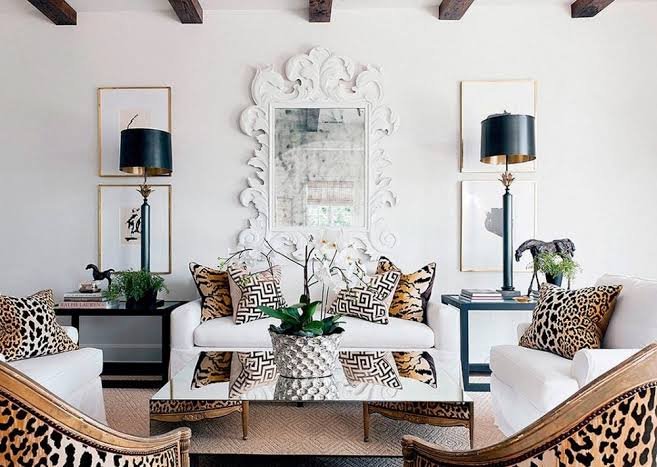
    • A primarily contemporary room can feature traditional decorative accents like ornate mirrors or classic artwork
    • A primarily traditional room can incorporate modern lighting or streamlined furniture pieces
    • This 80-20 approach prevents the space from feeling visually divided or unbalanced

    Deciding on a dominant style early makes the entire mixing traditional and contemporary design process much easier.

    6. Use Consistent Color Palettes to Unify the Look

    Even when mixing traditional and contemporary design, a unified color palette helps tie everything together.

    • Choose two or three key colors that appear throughout both traditional and modern elements
    • Repeat these colors across furniture, textiles, and decor accents
    • Avoid introducing too many competing colors, which can make the blend feel disorganized

    (Internal link opportunity: link to your “Modern Minimalist Home Design Ideas” article here)

    A consistent palette creates cohesion, even when combining visually different furniture styles and eras.

    7. Apply the Blend Room by Room

    Rather than mixing everything uniformly, consider applying different balances of traditional and contemporary design in different rooms.

    • Living rooms can lean more traditional with contemporary lighting accents
    • Bedrooms might favor contemporary simplicity with a few traditional textile touches
    • Dining rooms often work well with a strong mix of both, anchored by a statement table

    This room-by-room approach allows for creative flexibility while maintaining overall home cohesion.

    Frequently Asked Questions

    1. What is the easiest way to start mixing traditional and contemporary design? Begin with a neutral base and gradually introduce contrasting furniture pieces or textiles from each style.

    2. Can mixing styles make a room look cluttered? It can, if not balanced carefully; choosing a dominant style with supporting accents helps avoid this issue.

    3. How do I choose which style should dominate a room? Consider your personal preference and the room’s existing architecture or key furniture pieces already in place.

    4. Are there specific colors that work best for blending these styles? Neutral tones with a few consistent accent colors work best to unify traditional and contemporary elements.

    5. Can antique furniture work in a modern home? Yes, one or two well-placed antique pieces can add character and warmth to an otherwise contemporary space.

    6. Is mixing traditional and contemporary design suitable for small homes? Yes, as long as the balance is thoughtful, this approach works well in spaces of any size.

    Conclusion

    Mixing traditional and contemporary design allows you to create a home that feels both timeless and current, blending warmth with clean simplicity. From balancing furniture styles to using consistent color palettes, thoughtful choices are key to achieving a cohesive look.

    Start with a neutral base, choose a dominant style, and gradually layer in contrasting elements that reflect your personal taste. With the right balance, your home can beautifully showcase both classic charm and modern sophistication.

    Ready to blend styles in your home? Explore more interior design guides on our website to create a space that’s uniquely yours.


    Suggested Image Alt Texts:

    1. “Mixing traditional and contemporary design in a living room”
    2. “Modern chairs paired with a classic wooden dining table”
    3. “Traditional patterned cushions on a contemporary minimalist sofa”
  • Modern Minimalist Home Design Ideas for 2026

    Modern Minimalist Home Design Ideas for 2026

    If you’re craving a calmer, clutter-free living space, modern minimalist home design offers exactly that. This approach focuses on simplicity, function, and clean lines, creating homes that feel peaceful rather than overwhelming.

    Unlike trends that come and go quickly, modern minimalist home design has remained popular because it prioritizes quality over quantity. It’s about intentional choices that make a space feel open, organized, and effortlessly stylish.

    In this guide, we’ll explore the key principles and practical ideas behind modern minimalist home design, helping you create a refined, functional space in 2026.

    1. Embrace a Neutral Color Palette

    A defining feature of modern minimalist home design is the use of calm, neutral colors throughout the space.

    • Stick to whites, greys, and soft beiges as the primary color scheme
    • Use one or two accent colors sparingly for visual interest
    • Avoid busy patterns that can make a room feel cluttered or chaotic

    (Internal link opportunity: link to your “Interior Paint Color Trends” article here)

    This restrained palette creates a sense of calm and cohesion across every room in the home.

    2. Prioritize Functional Furniture

    Furniture in modern minimalist home design serves a clear purpose, avoiding unnecessary bulk or decoration.

    • Choose furniture with clean lines and simple, uncluttered silhouettes
    • Select multi-functional pieces that reduce the need for excess furniture
    • Avoid overly ornate designs in favor of understated, functional pieces

    Every item should earn its place in the room, contributing to both function and aesthetic simplicity.

    3. Focus on Quality Over Quantity

    Minimalism isn’t about having less for the sake of it; it’s about choosing better. This principle is central to modern minimalist home design.

    • Invest in fewer, higher-quality pieces that last longer
    • Choose timeless designs over trendy items that quickly feel outdated
    • Prioritize durable materials like solid wood, stone, and quality textiles

    This mindset naturally reduces clutter while creating a more refined, elevated living space.

    4. Maximize Natural Light

    Bright, airy spaces are a hallmark of modern minimalist home design, achieved primarily through thoughtful lighting choices.

    • Use sheer or minimal window treatments to let in maximum natural light
    • Choose light-colored walls and floors to help reflect sunlight throughout the room
    • Add strategically placed mirrors to amplify brightness in darker areas

    (Internal link opportunity: link to your “Small Space Decorating Ideas” article here)

    Ample natural light enhances the clean, open feel that defines minimalist interiors.

    5. Declutter and Simplify Storage

    Effective storage solutions are essential to maintaining the clean look associated with modern minimalist home design.

    • Use closed cabinets and drawers to keep everyday items out of sight
    • Regularly declutter belongings, keeping only what serves a clear purpose
    • Choose furniture with built-in storage to reduce visible clutter

    A well-organized space is fundamental to achieving the calm, uncluttered feel minimalism is known for.

    6. Incorporate Natural Materials and Textures

    While minimalist spaces avoid excess decoration, texture still plays an important role in modern minimalist home design.

    • Use natural materials like wood, stone, and linen to add warmth
    • Layer subtle textures through rugs, cushions, and throws in neutral tones
    • Balance smooth and textured surfaces to prevent the space from feeling flat

    These natural elements keep minimalist spaces feeling warm and inviting rather than cold or sterile.

    7. Keep Decor Intentional and Minimal

    Decorative choices in modern minimalist home design should feel purposeful rather than decorative for the sake of filling space.

    • Choose a few meaningful art pieces instead of covering every wall
    • Leave open, empty spaces intentionally to let key pieces stand out
    • Avoid excessive knick-knacks or seasonal decor that clutter surfaces

    (Internal link opportunity: link to your “Budget Home Decor Ideas That Look Luxurious” article here)

    This intentional approach to decor reinforces the calm, refined atmosphere central to minimalist design.

    Simple Checklist for a Minimalist Makeover

    For an easy starting point, here’s a quick checklist to guide your transition to modern minimalist home design.

    • Simplify your color palette to neutrals with limited accents
    • Choose functional, high-quality furniture over decorative excess
    • Maximize natural light and use closed storage solutions
    • Keep decor intentional, allowing key pieces to stand out

    Following these steps gradually will help you achieve a genuinely calming, minimalist home.

    Frequently Asked Questions

    1. What defines modern minimalist home design? It focuses on clean lines, neutral colors, functional furniture, and intentional, clutter-free decor choices.

    2. Is minimalist design suitable for small homes? Yes, minimalist principles work especially well in small spaces by reducing clutter and maximizing openness.

    3. Does minimalist design mean having very little furniture? Not necessarily; it means choosing fewer, higher-quality, functional pieces rather than eliminating furniture entirely.

    4. Can minimalist homes still feel warm and cozy? Yes, incorporating natural materials and soft textures helps minimalist spaces feel warm rather than cold.

    5. How do I start transitioning to a minimalist home design? Begin by decluttering, simplifying your color palette, and gradually replacing excess decor with intentional pieces.

    6. Is modern minimalist home design expensive to achieve? Not necessarily; it often reduces spending since it prioritizes fewer, well-chosen items over excessive purchases.

    Conclusion

    Modern minimalist home design offers a refreshing approach to living spaces, focusing on simplicity, function, and intentional choices. From neutral color palettes to decluttered storage and quality furniture, every element works together to create a calm, refined home.

    Start small by decluttering one room at a time, and gradually apply these principles throughout your space. In 2026, embracing minimalism might be the key to a home that finally feels peaceful and effortlessly stylish.

    Ready to simplify your home’s design? Explore more interior design guides on our website to plan your modern minimalist transformation today.


    Suggested Image Alt Texts:

    1. “Modern minimalist home design with neutral color palette”
    2. “Minimalist living room with functional furniture and natural light”
    3. “Decluttered minimalist bedroom with simple, intentional decor”
  • Small Space Decorating Ideas to Make Your Home Feel Bigger

    Small Space Decorating Ideas to Make Your Home Feel Bigger

    Living in a compact home doesn’t mean you have to sacrifice style or comfort. The right small space decorating ideas can make even the tiniest room feel open, bright, and functional.

    Many people assume that small spaces limit their design options, but with clever techniques, you can visually expand a room without any structural changes. Smart small space decorating ideas focus on light, layout, and strategic furniture choices to maximize both style and space.

    In this guide, we’ll explore practical, budget-friendly small space decorating ideas that help transform compact rooms into comfortable, spacious-feeling homes.

    1. Use Light Colors to Open Up the Space

    Color choice plays a major role in how spacious a room feels, making it one of the most effective small space decorating ideas.

    • Light neutral tones like white, beige, or soft grey reflect more natural light
    • Avoid dark, heavy colors on walls, as they can make rooms feel smaller
    • Use light-colored furniture and curtains to maintain a consistent, airy look

    (Internal link opportunity: link to your “Interior Paint Color Trends” article here)

    A cohesive light color palette creates a seamless, open feel throughout the entire space.

    2. Choose Multi-Functional Furniture

    Furniture that serves more than one purpose is essential among small space decorating ideas for maximizing usable area.

    • Use a sofa bed for guest rooms that double as living spaces
    • Choose storage ottomans that function as both seating and storage
    • Opt for extendable dining tables that expand only when needed

    Multi-functional pieces reduce clutter while ensuring your space remains practical for everyday living.

    3. Maximize Vertical Space

    When floor space is limited, going vertical is one of the smartest small space decorating ideas available.

    • Install tall bookshelves that draw the eye upward, creating a sense of height
    • Use wall-mounted storage instead of bulky floor cabinets
    • Hang curtains closer to the ceiling to visually elongate walls

    This technique makes rooms feel taller and more spacious without requiring any additional floor area.

    4. Use Mirrors to Create the Illusion of Space

    Mirrors are a classic yet highly effective tool among small space decorating ideas for visually doubling a room’s size.

    • Place a large mirror opposite a window to reflect natural light
    • Use mirrored furniture, like a coffee table or wardrobe, for added reflection
    • Consider a gallery of smaller mirrors as a stylish, space-enhancing wall feature

    (Internal link opportunity: link to your “Modern Minimalist Home Design Ideas” article here)

    Strategic mirror placement instantly brightens a room while creating an illusion of depth.

    5. Keep Furniture Proportional to the Room

    Oversized furniture is one of the biggest mistakes people make when decorating small spaces.

    • Choose furniture with slim profiles and visible legs to maintain an open feel
    • Avoid bulky sectional sofas in compact living rooms
    • Measure your space carefully before purchasing any large furniture pieces

    Proportional furniture ensures the room feels balanced rather than cramped or overcrowded.

    6. Declutter and Simplify Decor

    Less truly is more when it comes to small space decorating ideas focused on creating an open, breathable atmosphere.

    • Limit decorative items to a few meaningful pieces rather than filling every surface
    • Use closed storage solutions to keep everyday items out of sight
    • Rotate seasonal decor instead of displaying everything at once

    (Internal link opportunity: link to your “Budget Home Decor Ideas That Look Luxurious” article here)

    A simplified approach to decor prevents visual clutter, which can make small spaces feel even more cramped.

    7. Maximize Natural Light

    Natural light dramatically affects how spacious a room feels, making it a key focus among small space decorating ideas.

    • Use sheer curtains instead of heavy drapes to let more light through
    • Keep windows unobstructed by furniture or large plants
    • Add strategically placed mirrors to bounce light further into the room

    Rooms filled with natural light almost always feel larger and more inviting than dim, shadowy spaces.

    Quick Small Space Decorating Checklist

    For a fast overview, here’s a simple checklist to guide your next small space project.

    • Choose light, neutral colors for walls and large furniture
    • Incorporate multi-functional and proportionally sized furniture
    • Add mirrors and maximize natural light wherever possible
    • Keep decor minimal and use vertical storage solutions

    Following these small space decorating ideas consistently will make a noticeable difference in how your home feels.

    Frequently Asked Questions

    1. What color makes a small room look bigger? Light, neutral colors like white, beige, or soft grey help reflect light and create a more open feel.

    2. Do mirrors really make small spaces look bigger? Yes, mirrors reflect light and create visual depth, making rooms appear larger than they actually are.

    3. What furniture works best for small spaces? Multi-functional, proportionally sized furniture with slim profiles works best for maximizing small spaces.

    4. How can I add storage without making a small room feel cluttered? Use vertical wall-mounted storage and closed cabinets to keep items organized and out of sight.

    5. Should I avoid dark colors completely in small rooms? Not entirely, but using dark colors sparingly as accents works better than covering entire walls.

    6. How important is natural light in small space decorating? Very important, as natural light significantly enhances the perceived size and openness of any room.

    Conclusion

    Transforming a compact home doesn’t require expensive renovations. These small space decorating ideas — from light color palettes and mirrors to multi-functional furniture and vertical storage — prove that thoughtful design choices matter more than square footage.

    Start with one or two changes, like adding a statement mirror or decluttering your decor, and build from there. With the right approach, even the smallest spaces can feel open, bright, and beautifully designed.

    Ready to transform your small space? Explore more home decorating guides on our website to plan your perfect compact living space today.


    Suggested Image Alt Texts:

    1. “Small space decorating ideas with light colors and mirrors”
    2. “Multi-functional furniture in a compact living room”
    3. “Vertical storage solutions maximizing small apartment space”
  • Budget Home Decor Ideas That Look Luxurious

    Budget Home Decor Ideas That Look Luxurious

    Want your home to look expensive without spending a fortune? These budget home decor ideas prove that luxury isn’t about how much you spend, but how thoughtfully you decorate.

    Many people assume a high-end look requires designer furniture or expensive decor pieces. In reality, a few smart budget home decor ideas can completely transform a space using simple, affordable techniques.

    In this guide, we’ll explore practical, wallet-friendly ways to bring a touch of luxury into your home without breaking your budget.

    1. Focus on Textures Over Price Tags

    Texture plays a huge role in creating a luxurious feel, making it one of the most effective budget home decor ideas available.

    • Add plush cushions or a soft throw blanket to instantly elevate a sofa
    • Layer rugs to create depth and warmth in living spaces
    • Mix materials like wood, metal, and fabric for a richer visual effect

    Combining textures creates a curated, high-end look without requiring expensive individual pieces.

    2. Use Statement Lighting

    Lighting is one of the most impactful yet affordable budget home decor ideas for transforming a room’s ambiance.

    • Add a stylish pendant light above a dining table for a designer touch
    • Use warm-toned bulbs to create a cozy, upscale atmosphere
    • Layer lighting with floor lamps and table lamps for added depth

    (Internal link opportunity: link to your “Smart Home Upgrades 2026” article here)

    A single statement light fixture can often make more visual impact than several smaller decor items combined.

    3. Rearrange Furniture for a Fresh Look

    Sometimes the most cost-effective budget home decor ideas involve no spending at all, just clever rearranging.

    • Create conversational furniture groupings instead of pushing everything against walls
    • Use furniture to define zones in open-plan living spaces
    • Angle furniture slightly to add visual interest and flow

    This simple technique instantly refreshes a room’s feel without any financial investment.

    4. Add Greenery for a Natural, Elevated Feel

    Plants are among the most affordable yet effective budget home decor ideas for adding life and sophistication to any space.

    • Use a few large plants instead of many small ones for a bolder statement
    • Choose stylish ceramic or woven planters to elevate the overall look
    • Add faux plants in hard-to-maintain areas for a similarly luxurious effect

    Greenery brings warmth and freshness that instantly makes a home feel more put-together.

    5. Update Hardware and Small Fixtures

    Small detail changes are often overlooked but incredibly effective budget home decor ideas.

    • Replace cabinet handles and drawer pulls with modern, matching designs
    • Swap old light switch covers for sleek, updated versions
    • Update curtain rods and rings for a more polished window treatment

    (Internal link opportunity: link to your “How to Choose the Right Paint Finish” article here)

    These small, affordable swaps often create a surprisingly large visual impact throughout the home.

    6. Use Mirrors and Reflective Accents

    Mirrors and reflective decor pieces add both light and elegance, making them valuable budget home decor ideas.

    • Hang an oversized mirror as a statement piece in living rooms or hallways
    • Add metallic accents like gold or brass frames for a touch of glamour
    • Use reflective trays or decor items on coffee tables for subtle shine

    These elements catch light beautifully, creating an upscale feel without significant expense.

    7. Curate Rather Than Clutter

    A luxurious look often comes from thoughtful curation rather than filling every surface with decor.

    • Choose a few high-quality decor pieces instead of many inexpensive ones
    • Group items in odd numbers, like three or five, for a more intentional display
    • Leave some negative space to let key pieces stand out

    (Internal link opportunity: link to your “Small Space Decorating Ideas” article here)

    This approach among budget home decor ideas creates a refined, gallery-like feel throughout your home.

    Quick Budget Decor Checklist

    For an easy reference, here’s a quick checklist to guide your next budget-friendly decorating project.

    • Layer textures through cushions, throws, and rugs
    • Invest in one statement lighting piece per room
    • Add greenery and update small hardware details
    • Curate decor thoughtfully instead of overcrowding surfaces

    Following these budget home decor ideas consistently will elevate your home’s overall look significantly.

    Frequently Asked Questions

    1. How can I make my home look expensive on a budget? Focus on textures, statement lighting, and curated decor rather than expensive individual pieces.

    2. What is the cheapest way to update home decor? Rearranging furniture and adding plants are among the most affordable ways to refresh a space.

    3. Do small hardware updates really make a difference? Yes, updating cabinet handles, light switches, and curtain rods can significantly elevate a room’s appearance.

    4. Are faux plants a good budget decor option? Yes, faux plants offer a similar aesthetic to real plants without the maintenance, making them a practical choice.

    5. How many decor pieces should I display for a luxurious look? Fewer, high-quality pieces grouped thoughtfully typically look more luxurious than many scattered items.

    6. Can lighting really change how expensive a room looks? Yes, warm, layered lighting significantly enhances a room’s ambiance and perceived value.

    Conclusion

    Creating a luxurious-looking home doesn’t require a large budget. These budget home decor ideas — from statement lighting and textured layering to curated accents and small hardware updates — prove that thoughtful choices matter more than big spending.

    Start with one or two changes, like updating lighting or adding greenery, and build from there as your budget allows. With a little creativity, your home can look effortlessly elevated without the luxury price tag.

    Ready to elevate your home’s look? Explore more home decorating guides on our website to plan your perfect budget-friendly makeover today.


    Suggested Image Alt Texts:

    1. “Budget home decor ideas with layered textures and cushions”
    2. “Statement pendant light elevating a dining room on a budget”
    3. “Curated home decor with mirrors and greenery accents”
  • How to Choose the Right Paint Finish for Every Room

    How to Choose the Right Paint Finish for Every Room

    Picking a color is only half the job. Knowing how to choose paint finish is just as important, since the wrong sheen can affect durability, appearance, and how easy a wall is to clean.

    Many homeowners focus entirely on color and overlook finish, only to realize later that a glossy wall shows every imperfection, or a matte finish stains too easily in high-traffic areas. Learning how to choose paint finish properly for each room prevents these common mistakes.

    In this guide, we’ll break down every major paint finish option and help you decide which one works best for different rooms in your home.

    1. Understanding Different Paint Finish Types

    Before diving into room-specific choices, it helps to understand the basic options available when learning how to choose paint finish.

    • Matte finish: Offers a smooth, non-reflective look but is harder to clean
    • Eggshell finish: Slightly more sheen than matte, offering a bit more durability
    • Satin finish: Balances durability and subtle shine, easy to wipe clean
    • Semi-gloss finish: Highly durable and easy to clean, with noticeable shine
    • High-gloss finish: Extremely durable and reflective, best for trim and doors

    Each finish offers a different balance between appearance, durability, and maintenance.

    2. How to Choose Paint Finish for Living Rooms

    Living rooms see moderate daily activity, making finish choice important for both style and practicality.

    • Eggshell or satin finishes work well, offering easy cleaning without excessive shine
    • Matte finish suits accent walls where a soft, elegant look is desired
    • Avoid high-gloss finishes, as they can highlight wall imperfections in large spaces

    (Internal link opportunity: link to your “Interior Paint Color Trends” article here)

    Balancing style and practicality is key when learning how to choose paint finish for shared living spaces.

    3. Best Paint Finishes for Kitchens

    Kitchens require finishes that can handle grease, moisture, and frequent cleaning.

    • Semi-gloss finish is ideal for kitchen walls due to its wipeable surface
    • Satin finish works well for kitchen ceilings or lower-traffic wall areas
    • Avoid matte finishes near cooking areas, as they absorb grease stains easily

    Choosing a durable, easy-to-clean finish here prevents long-term staining and maintenance headaches.

    4. Ideal Paint Finish Choices for Bathrooms

    Bathrooms deal with high humidity, making finish selection especially important for durability.

    • Semi-gloss or high-gloss finishes resist moisture and prevent mold growth
    • These finishes also make it easy to wipe away splashes and condensation
    • Avoid matte finishes in bathrooms, as they trap moisture more easily

    (Internal link opportunity: link to your “Small Bathroom Renovation Ideas” article here)

    Prioritizing moisture resistance is essential when deciding how to choose paint finish for wet areas.

    5. Choosing Paint Finish for Bedrooms

    Bedrooms typically see less wear, allowing for softer, more aesthetic-focused finish choices.

    • Matte or eggshell finishes create a calm, cozy atmosphere ideal for relaxation
    • These finishes also help minimize glare from lighting for better sleep ambiance
    • Satin finish works well if the room doubles as a home office or study space

    Since bedrooms experience less daily traffic, prioritizing appearance over heavy-duty durability makes sense here.

    6. Paint Finish for Trim, Doors, and High-Traffic Areas

    Certain areas require more durable finishes regardless of the room they’re located in.

    • Semi-gloss or high-gloss finishes work best for doors, trim, and window frames
    • Hallways and entryways benefit from satin or semi-gloss due to frequent contact
    • These durable finishes withstand scuffs, fingerprints, and regular cleaning better

    Focusing on function rather than room type helps when learning how to choose paint finish for these specific elements.

    7. Common Mistakes to Avoid When Choosing Paint Finish

    Even with the right color, choosing the wrong finish can lead to disappointing results.

    • Using matte finish in high-moisture areas like bathrooms or kitchens
    • Choosing high-gloss for large wall surfaces with visible imperfections
    • Ignoring how lighting affects the appearance of different sheens

    Avoiding these mistakes ensures your painted surfaces look great and perform well over time.

    Quick Reference Guide by Room

    For a simple summary, here’s a quick reference when deciding how to choose paint finish room by room.

    • Living Room: Eggshell or satin
    • Kitchen: Semi-gloss
    • Bathroom: Semi-gloss or high-gloss
    • Bedroom: Matte or eggshell
    • Trim and Doors: Semi-gloss or high-gloss

    Keeping this simple guide handy makes future painting projects much easier to plan.

    Frequently Asked Questions

    1. What is the best paint finish for high-traffic areas? Semi-gloss or satin finishes work best, as they are durable and easy to clean.

    2. Is matte finish good for bathrooms? No, matte finish absorbs moisture more easily, making semi-gloss or high-gloss better choices for bathrooms.

    3. Which paint finish is easiest to clean? Semi-gloss and high-gloss finishes are the easiest to wipe clean without damaging the surface.

    4. Can I use the same paint finish throughout my home? It’s possible, but choosing different finishes based on room function typically gives better results.

    5. Does paint finish affect how a color looks? Yes, glossier finishes reflect more light and can make colors appear slightly different than matte versions.

    6. What finish is best for ceilings? Flat or matte finishes are typically used for ceilings to minimize glare and hide minor imperfections.

    Conclusion

    Learning how to choose paint finish for each room ensures your home looks great while standing up to daily wear and moisture. From durable semi-gloss finishes in kitchens and bathrooms to soft matte tones in bedrooms, the right finish makes a noticeable difference.

    Take time to match finish type with each room’s specific needs before starting your next painting project. The right combination of color and finish will give your home a polished, long-lasting look.

    Planning your next painting project? Explore more home improvement guides on our website to make confident, informed choices for every room.


    Suggested Image Alt Texts:

    1. “How to choose paint finish comparison chart for different rooms”
    2. “Semi-gloss paint finish applied in a modern kitchen”
    3. “Matte paint finish on a cozy bedroom accent wall”
  • Interior Paint Color Trends That Will Transform Your Home

    Interior Paint Color Trends That Will Transform Your Home

    Refreshing your space doesn’t always require a full renovation. Following the latest interior paint color trends is one of the easiest ways to transform your home’s look without spending a fortune.

    Paint colors have a powerful effect on how a room feels, from cozy and warm to bright and airy. Staying updated with current interior paint color trends helps you make choices that feel modern while still suiting your personal style.

    In this guide, we’ll explore the top interior paint color trends shaping homes this year, along with practical tips for choosing the right shade for each room.

    1. Warm Neutral Tones Are Taking Over

    One of the most popular interior paint color trends this year is a shift toward warm, earthy neutrals.

    • Shades like terracotta, warm beige, and soft clay create a cozy, inviting atmosphere
    • These tones work well in living rooms and bedrooms for a relaxed feel
    • Warm neutrals pair beautifully with wooden furniture and natural textures

    Unlike stark whites, warm neutrals add depth and character without overwhelming a space.

    2. Deep, Moody Colors for Accent Walls

    Bold, dramatic shades are gaining popularity as accent wall choices in current interior paint color trends.

    • Deep forest green and navy blue create striking focal points in living rooms
    • Charcoal grey adds sophistication to home offices or reading corners
    • Pairing a moody accent wall with lighter surrounding walls balances the overall look

    (Internal link opportunity: link to your “How to Choose the Right Paint Finish” article here)

    This approach lets you experiment with bold color without committing to an entire room.

    3. Soft Pastels for a Calming Effect

    Soft, muted pastel shades continue to be a gentle yet stylish choice among interior paint color trends.

    • Sage green brings a calming, nature-inspired feel to bedrooms and living spaces
    • Dusty pink adds warmth without feeling overly bright or feminine
    • Powder blue works well in bathrooms and kids’ rooms for a soothing ambiance

    These soft tones are especially popular for creating relaxing, peaceful environments at home.

    4. Classic White and Off-White Remain Timeless

    Despite emerging trends, classic whites continue to hold a strong place in interior paint color trends.

    • Off-white shades create a bright, spacious feel, especially in smaller rooms
    • White walls serve as a versatile backdrop for colorful furniture and decor
    • Warm white tones avoid the sterile look of pure, stark white

    Choosing a soft off-white rather than bright white keeps spaces feeling warm and welcoming.

    5. Two-Tone Wall Combinations

    Combining two complementary colors on a single wall is an increasingly popular technique among interior paint color trends.

    • Pair a darker base color with a lighter top half for visual interest
    • Use horizontal color blocking to make ceilings feel higher
    • Choose complementary shades rather than sharply contrasting ones for a cohesive look

    (Internal link opportunity: link to your “Modern Minimalist Home Design Ideas” article here)

    This technique adds personality to a room without requiring elaborate wallpaper or décor.

    6. Choosing the Right Trend for Each Room

    Not every trend suits every space. Matching interior paint color trends to specific rooms ensures the best results.

    • Living rooms benefit from warm neutrals or bold accent walls for a welcoming feel
    • Bedrooms work well with soft pastels or muted tones for better relaxation
    • Kitchens and bathrooms often suit lighter, brighter shades for a clean, fresh look

    Considering room function alongside current trends helps you make choices that feel both stylish and practical.

    Tips for Testing Paint Colors Before Committing

    Before painting an entire room, a few simple steps can help ensure you choose the right shade.

    • Test paint samples on your wall and observe them at different times of day
    • Consider how the color interacts with your existing furniture and lighting
    • Choose a slightly lighter or darker shade than a swatch, as walls often appear more saturated

    Taking time to test colors prevents costly repainting due to unexpected results.

    Frequently Asked Questions

    1. What are the most popular interior paint color trends right now? Warm neutrals, deep accent colors, and soft pastels are among the leading interior paint color trends currently.

    2. Are bold accent walls still in style? Yes, deep, moody colors on a single accent wall remain a popular way to add drama without overwhelming a space.

    3. What paint color makes a small room look bigger? Light, warm off-white tones generally make small rooms feel more spacious and airy.

    4. How often should I update my home’s interior paint colors? There’s no fixed rule, but many homeowners refresh their paint every five to seven years to match evolving trends.

    5. Can I mix multiple paint trends in one home? Yes, using different trends in different rooms based on function often creates a balanced, personalized look.

    6. Should I hire a professional painter for trend-based colors? For bold or two-tone techniques, professional help ensures clean lines and even application.

    Conclusion

    Keeping up with interior paint color trends is a simple, affordable way to transform your home’s atmosphere. From warm neutrals and soft pastels to bold accent walls, choosing the right colors can completely change how a space feels.

    Take time to test shades before committing, and choose colors that reflect both current trends and your personal style. A fresh coat of paint might be all your home needs for a stunning transformation.

    Ready to refresh your home’s colors? Explore more painting and design guides on our website to plan your perfect color palette today.


    Suggested Image Alt Texts:

    1. “Interior paint color trends with warm terracotta living room wall”
    2. “Deep navy blue accent wall as part of modern paint trends”
    3. “Soft sage green bedroom wall showcasing pastel paint trends”
  • Hardwood vs Laminate Flooring: Cost, Durability & Style Comparison

    Hardwood vs Laminate Flooring: Cost, Durability & Style Comparison

    Choosing between hardwood vs laminate flooring is one of the most common dilemmas homeowners face during a renovation. Both options offer distinct advantages, but the right choice depends on your budget, lifestyle, and design preferences.

    Hardwood flooring is known for its timeless appeal, while laminate offers a budget-friendly, low-maintenance alternative. Understanding the real differences in hardwood vs laminate flooring helps you make a confident decision before investing in your home.

    In this guide, we’ll compare both flooring types across cost, durability, maintenance, and style to help you choose the best fit for your space.

    1. Cost Comparison

    Price is often the deciding factor when comparing hardwood vs laminate flooring.

    • Hardwood flooring typically costs significantly more due to material and installation
    • Laminate flooring offers a similar wood-like appearance at a fraction of the price
    • Installation costs for hardwood are also higher due to specialized labor requirements

    (Internal link opportunity: link to your “Kitchen Renovation Cost Guide” article here)

    If budget is a primary concern, laminate flooring provides excellent value without sacrificing much visual appeal.

    2. Durability and Longevity

    Durability plays a major role in the hardwood vs laminate flooring decision, especially for high-traffic homes.

    • Hardwood can last decades and can be refinished multiple times to restore its look
    • Laminate is durable against scratches but cannot be refinished once damaged
    • Hardwood is more prone to warping from moisture, while laminate resists moisture better in some cases

    For long-term investment value, hardwood generally outlasts laminate, though laminate holds up well for everyday wear.

    3. Maintenance Requirements

    Ongoing upkeep is another important factor to weigh in the hardwood vs laminate flooring comparison.

    • Hardwood requires periodic polishing, refinishing, and careful cleaning products
    • Laminate is low-maintenance, needing only regular sweeping and occasional damp mopping
    • Hardwood is more sensitive to spills and standing water compared to laminate

    (Internal link opportunity: link to your “Deep Cleaning Checklist” article here)

    Busy households often prefer laminate for its simple, hassle-free maintenance routine.

    4. Style and Aesthetic Appeal

    Visual appeal is a strong consideration when comparing hardwood vs laminate flooring for home design.

    • Hardwood offers a genuine, natural wood grain that adds timeless elegance
    • Laminate now closely mimics wood textures and finishes at a lower cost
    • Hardwood generally increases property value more than laminate due to its authenticity

    While laminate has improved significantly in appearance, hardwood still holds an edge in premium, natural aesthetics.

    5. Installation Process

    The installation process differs significantly between hardwood vs laminate flooring options.

    • Hardwood installation typically requires professional expertise and more time
    • Laminate often comes with click-lock systems, making it easier for DIY installation
    • Hardwood installation costs more due to specialized tools and skilled labor

    Homeowners looking for a faster, more affordable installation often lean toward laminate flooring.

    6. Best Use Cases for Each Flooring Type

    Choosing between hardwood vs laminate flooring often comes down to where and how the flooring will be used.

    • Hardwood works best in living rooms, bedrooms, and formal spaces with lower moisture exposure
    • Laminate suits high-traffic areas, rental properties, or budget-conscious renovations
    • Kitchens and bathrooms generally benefit more from moisture-resistant laminate options

    (Internal link opportunity: link to your “Best Flooring Options for High-Traffic Homes” article here)

    Matching flooring type to room function ensures better long-term performance and satisfaction.

    Making the Right Choice for Your Home

    When deciding between hardwood vs laminate flooring, consider these key questions.

    • What is your realistic renovation budget?
    • How much foot traffic will the space regularly experience?
    • Do you prioritize long-term value or immediate affordability?

    Answering these honestly helps you choose flooring that fits both your lifestyle and financial goals.

    Frequently Asked Questions

    1. Which is more affordable, hardwood or laminate flooring? Laminate flooring is generally more affordable in both material and installation costs compared to hardwood.

    2. Does laminate flooring look as good as hardwood? Modern laminate closely mimics hardwood’s appearance, though genuine hardwood still offers more natural texture.

    3. Which flooring lasts longer, hardwood or laminate? Hardwood typically lasts longer, especially since it can be refinished multiple times over its lifespan.

    4. Is laminate flooring good for kitchens and bathrooms? Yes, laminate is generally more moisture-resistant than hardwood, making it suitable for these areas.

    5. Does hardwood flooring increase home resale value more than laminate? Yes, hardwood flooring is often seen as a premium feature that adds more resale value.

    6. Can I install laminate flooring myself? Yes, many laminate options use click-lock systems designed for easy DIY installation.

    Conclusion

    Both hardwood and laminate flooring offer distinct benefits depending on your priorities. Hardwood provides long-term value and natural elegance, while laminate offers affordability and low-maintenance convenience for busy households.

    Consider your budget, lifestyle, and the specific room’s needs before making a final decision. Whichever you choose, both options can transform your home’s look when selected thoughtfully.

    Planning a flooring upgrade? Explore more home renovation guides on our website to make the best flooring choice for your space.


    Suggested Image Alt Texts:

    1. “Hardwood vs laminate flooring comparison in a living room”
    2. “Close-up of natural hardwood flooring grain texture”
    3. “Laminate flooring installation with click-lock system”
  • Metal Roofing vs Asphalt Shingles: Which to Choose?

    Metal Roofing vs Asphalt Shingles: Which to Choose?

    Choosing a roofing material is one of those decisions that affects your home for decades, not just years. The metal roofing vs asphalt shingles debate comes up often, and for good reason — both options have genuine strengths depending on your climate, budget, and long-term plans.

    Neither option is universally “better.” Metal roofing offers superior durability and longevity, while asphalt shingles are more affordable upfront and widely available. The right choice depends on what matters most to you.

    This guide compares metal roofing vs asphalt shingles across cost, lifespan, maintenance, and climate suitability, so you can make an informed decision for your home.

    Understanding the Basics

    Before comparing metal roofing vs asphalt shingles in detail, it helps to understand what each material actually involves.

    Metal roofing typically comes in steel, aluminum, or galvanized panels, often coated to resist rust and corrosion. It’s installed in large interlocking sheets or panels.

    Asphalt shingles are made from a fiberglass base coated with asphalt and mineral granules. They’re installed in overlapping rows and remain one of the most widely used roofing materials globally.

    In India, metal roofing is common for industrial sheds, farmhouses, and increasingly for residential homes in hilly or high-rainfall areas, while asphalt shingles are less common but growing in popularity for villa-style and cottage homes, especially in hill stations and resort properties.

    (Internal link suggestion: link to “Signs Your Roof Needs Repair or Replacement This Year”)

    Cost Comparison

    Cost is usually the first factor people weigh when comparing metal roofing vs asphalt shingles.

    Upfront installation cost:

    • Asphalt shingles are generally cheaper to install, since materials and labor are both more affordable
    • Metal roofing has a higher upfront cost, often 1.5 to 3 times that of asphalt shingles, depending on the metal type chosen

    Long-term cost considerations:

    • Metal roofs last significantly longer, often reducing the need for replacement within your lifetime
    • Asphalt shingles typically need replacement every 15-25 years, adding to long-term costs
    • Metal roofing can also lower cooling costs due to better heat reflection

    While asphalt shingles win on initial affordability, metal roofing often costs less over a 30-40 year period due to its longevity and lower maintenance needs.

    Durability and Lifespan

    Durability is where metal roofing vs asphalt shingles shows the clearest difference.

    Metal roofing:

    • Lasts 40-70 years depending on material and coating quality
    • Resists cracking, warping, and impact damage well
    • Handles heavy rainfall and strong winds effectively

    Asphalt shingles:

    • Typically last 15-25 years
    • More prone to cracking in extreme heat and curling over time
    • Can be damaged by strong winds or hail

    For homeowners planning to stay long-term or wanting a one-time roofing investment, metal roofing’s longer lifespan is a significant advantage.

    Weather and Climate Suitability

    Climate plays a major role in deciding between metal roofing vs asphalt shingles, especially in India’s varied weather zones.

    Metal roofing performs well in:

    • Heavy monsoon regions, due to excellent water runoff
    • Coastal areas, when using corrosion-resistant coatings
    • Hot climates, since reflective coatings reduce heat absorption

    Asphalt shingles perform well in:

    • Moderate climates without extreme heat
    • Areas with lower rainfall intensity
    • Regions where hail damage risk is minimal

    In high-humidity or heavy-rainfall areas common across much of India, metal roofing’s water-shedding properties often make it the more practical long-term choice.

    (Internal link suggestion: link to “How to Increase Your Home’s Resale Value Before Listing It”)

    Maintenance Requirements

    Ongoing maintenance is another key difference in the metal roofing vs asphalt shingles comparison.

    Metal roofing maintenance:

    1. Periodic inspection for rust spots, especially at joints
    2. Occasional repainting or recoating every 10-15 years
    3. Clearing debris that could trap moisture against panels

    Asphalt shingle maintenance:

    1. Regular checks for curling, cracking, or missing granules
    2. Moss and algae removal, especially in shaded areas
    3. Replacing damaged shingles individually as needed

    Metal roofing generally requires less frequent maintenance overall, though repairs when needed can require specialized installers familiar with metal panel systems.

    Noise, Insulation, and Comfort

    A common concern in the metal roofing vs asphalt shingles debate is noise during rainfall, which matters greatly in Indian monsoon conditions.

    Uninsulated metal roofs can amplify rain noise significantly. However, this is easily managed with proper insulation layers or underlayment installed during construction, which also improves temperature regulation.

    Asphalt shingles naturally dampen rain noise better due to their layered, softer material composition, requiring less additional insulation for sound control.

    For homes in heavy monsoon regions, discussing proper insulation options with your contractor is essential regardless of which material you choose, to ensure comfort during rainfall.

    (Suggested Image Alt Text: “Modern home with metal roofing panels”) (Suggested Image Alt Text: “Close-up of asphalt shingles on a residential roof”) (Suggested Image Alt Text: “Side-by-side comparison of metal roof and shingle roof textures”)

    FAQs About Metal Roofing vs Asphalt Shingles

    1. Which lasts longer, metal roofing or asphalt shingles? Metal roofing lasts significantly longer, typically 40-70 years, compared to 15-25 years for asphalt shingles.

    2. Is metal roofing more expensive than asphalt shingles? Yes, metal roofing has a higher upfront installation cost, though it often costs less over time due to its longer lifespan and lower maintenance needs.

    3. Does metal roofing make more noise during rain? Uninsulated metal roofs can be noisier during rainfall, but proper insulation or underlayment significantly reduces this issue.

    4. Which is better for hot climates, metal roofing or asphalt shingles? Metal roofing generally performs better in hot climates due to its reflective properties, which help reduce indoor heat absorption.

    5. Can asphalt shingles handle heavy monsoon rainfall? Asphalt shingles can handle moderate rainfall, but metal roofing generally offers better water runoff performance in heavy monsoon conditions.

    6. Which roofing material is easier to maintain? Metal roofing typically requires less frequent maintenance, though asphalt shingles are easier and cheaper to repair on a small scale when damage does occur.

    Conclusion

    Both options have clear strengths in the metal roofing vs asphalt shingles comparison. Metal roofing offers superior durability, longevity, and climate resilience, while asphalt shingles provide a more affordable upfront cost and simpler repairs.

    Your choice should depend on your budget, how long you plan to stay in the home, and your local climate conditions — especially rainfall intensity and heat exposure.

    Still deciding between metal roofing and asphalt shingles? Get quotes from two or three local roofing contractors, and factor in both upfront cost and long-term durability before making your final decision.