How to Mix Styles: Blending Traditional and Contemporary Design
Struggling to choose between classic charm and modern simplicity? Mixing traditional and contemporary design lets you enjoy the best of both worlds, creating a home that feels timeless yet current.
This design approach combines the warmth and detail of traditional elements with the clean lines of contemporary style. When done thoughtfully, mixing traditional and contemporary design results in a space that feels curated, personal, and far from generic.
In this guide, we’ll explore practical techniques for blending these two styles successfully, helping you create a home that reflects both heritage and modern sensibility.
1. Understand the Core Differences Between Both Styles
Before mixing traditional and contemporary design, it helps to understand what defines each style individually.
- Traditional design features ornate details, rich colors, and classic furniture shapes
- Contemporary design favors clean lines, neutral tones, and minimal ornamentation
- Traditional spaces often feel warm and layered, while contemporary spaces feel open and streamlined
Recognizing these differences helps you intentionally balance both elements rather than creating a mismatched space.
2. Start With a Neutral Base
A successful approach to mixing traditional and contemporary design often begins with a simple, neutral foundation.
- Choose neutral wall colors and flooring as a versatile backdrop
- Use this base to let both traditional and contemporary furniture pieces stand out
- Avoid overly bold base colors that might clash with either style’s characteristics
(Internal link opportunity: link to your “Interior Paint Color Trends” article here)
A neutral foundation ensures both design elements complement rather than compete with each other.
2. Balance Ornate and Simple Furniture Pieces
Furniture selection plays a central role in successfully mixing traditional and contemporary design within a single room.
- Pair a classic, carved wooden dining table with sleek, modern chairs
- Combine a traditional upholstered sofa with contemporary glass or metal side tables
- Avoid placing too many ornate pieces together, as this can overwhelm the balance
This contrast between detailed and simple furniture creates visual interest without feeling chaotic.
3. Use Textiles to Bridge the Two Styles
Fabrics and textiles offer an easy way to blend traditional warmth with contemporary simplicity.
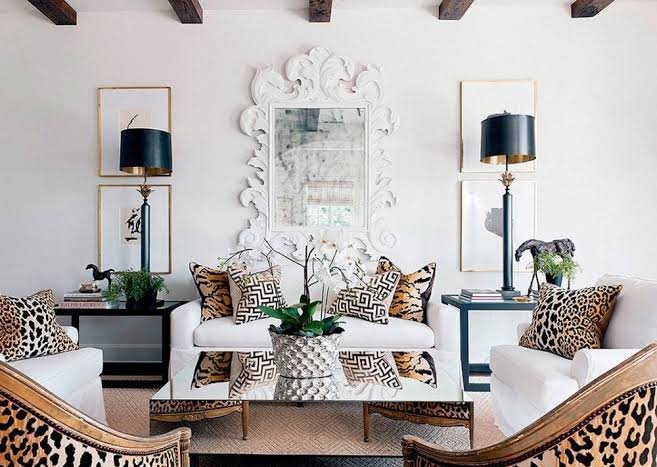
- Add traditional patterned cushions to a modern, minimalist sofa
- Use contemporary solid-colored curtains alongside more ornate furniture pieces
- Layer rugs with classic patterns in rooms that otherwise lean modern
Textiles allow flexibility, letting you adjust the balance between styles without major furniture changes.
4. Mix Old and New Decor Pieces
Combining vintage or antique items with modern decor is a hallmark technique in mixing traditional and contemporary design.
- Display a traditional family heirloom alongside modern, minimalist shelving
- Use contemporary lighting fixtures above a traditional wooden dining table
- Incorporate one or two antique accent pieces within an otherwise modern room
(Internal link opportunity: link to your “Budget Home Decor Ideas That Look Luxurious” article here)
This blend of old and new creates a personal, storytelling element within an otherwise streamlined space.
5. Choose a Dominant Style With Supporting Accents
For a cohesive look, it often helps to choose one style as dominant while using the other as an accent.
- A primarily contemporary room can feature traditional decorative accents like ornate mirrors or classic artwork
- A primarily traditional room can incorporate modern lighting or streamlined furniture pieces
- This 80-20 approach prevents the space from feeling visually divided or unbalanced
Deciding on a dominant style early makes the entire mixing traditional and contemporary design process much easier.
6. Use Consistent Color Palettes to Unify the Look
Even when mixing traditional and contemporary design, a unified color palette helps tie everything together.
- Choose two or three key colors that appear throughout both traditional and modern elements
- Repeat these colors across furniture, textiles, and decor accents
- Avoid introducing too many competing colors, which can make the blend feel disorganized
(Internal link opportunity: link to your “Modern Minimalist Home Design Ideas” article here)
A consistent palette creates cohesion, even when combining visually different furniture styles and eras.
7. Apply the Blend Room by Room
Rather than mixing everything uniformly, consider applying different balances of traditional and contemporary design in different rooms.
- Living rooms can lean more traditional with contemporary lighting accents
- Bedrooms might favor contemporary simplicity with a few traditional textile touches
- Dining rooms often work well with a strong mix of both, anchored by a statement table
This room-by-room approach allows for creative flexibility while maintaining overall home cohesion.
Frequently Asked Questions
1. What is the easiest way to start mixing traditional and contemporary design? Begin with a neutral base and gradually introduce contrasting furniture pieces or textiles from each style.
2. Can mixing styles make a room look cluttered? It can, if not balanced carefully; choosing a dominant style with supporting accents helps avoid this issue.
3. How do I choose which style should dominate a room? Consider your personal preference and the room’s existing architecture or key furniture pieces already in place.
4. Are there specific colors that work best for blending these styles? Neutral tones with a few consistent accent colors work best to unify traditional and contemporary elements.
5. Can antique furniture work in a modern home? Yes, one or two well-placed antique pieces can add character and warmth to an otherwise contemporary space.
6. Is mixing traditional and contemporary design suitable for small homes? Yes, as long as the balance is thoughtful, this approach works well in spaces of any size.
Conclusion
Mixing traditional and contemporary design allows you to create a home that feels both timeless and current, blending warmth with clean simplicity. From balancing furniture styles to using consistent color palettes, thoughtful choices are key to achieving a cohesive look.
Start with a neutral base, choose a dominant style, and gradually layer in contrasting elements that reflect your personal taste. With the right balance, your home can beautifully showcase both classic charm and modern sophistication.
Ready to blend styles in your home? Explore more interior design guides on our website to create a space that’s uniquely yours.
Suggested Image Alt Texts:
- “Mixing traditional and contemporary design in a living room”
- “Modern chairs paired with a classic wooden dining table”
- “Traditional patterned cushions on a contemporary minimalist sofa”