Category: Roofing

  • Metal Roofing vs Asphalt Shingles: Which to Choose?

    Metal Roofing vs Asphalt Shingles: Which to Choose?

    Choosing a roofing material is one of those decisions that affects your home for decades, not just years. The metal roofing vs asphalt shingles debate comes up often, and for good reason — both options have genuine strengths depending on your climate, budget, and long-term plans.

    Neither option is universally “better.” Metal roofing offers superior durability and longevity, while asphalt shingles are more affordable upfront and widely available. The right choice depends on what matters most to you.

    This guide compares metal roofing vs asphalt shingles across cost, lifespan, maintenance, and climate suitability, so you can make an informed decision for your home.

    Understanding the Basics

    Before comparing metal roofing vs asphalt shingles in detail, it helps to understand what each material actually involves.

    Metal roofing typically comes in steel, aluminum, or galvanized panels, often coated to resist rust and corrosion. It’s installed in large interlocking sheets or panels.

    Asphalt shingles are made from a fiberglass base coated with asphalt and mineral granules. They’re installed in overlapping rows and remain one of the most widely used roofing materials globally.

    In India, metal roofing is common for industrial sheds, farmhouses, and increasingly for residential homes in hilly or high-rainfall areas, while asphalt shingles are less common but growing in popularity for villa-style and cottage homes, especially in hill stations and resort properties.

    (Internal link suggestion: link to “Signs Your Roof Needs Repair or Replacement This Year”)

    Cost Comparison

    Cost is usually the first factor people weigh when comparing metal roofing vs asphalt shingles.

    Upfront installation cost:

    • Asphalt shingles are generally cheaper to install, since materials and labor are both more affordable
    • Metal roofing has a higher upfront cost, often 1.5 to 3 times that of asphalt shingles, depending on the metal type chosen

    Long-term cost considerations:

    • Metal roofs last significantly longer, often reducing the need for replacement within your lifetime
    • Asphalt shingles typically need replacement every 15-25 years, adding to long-term costs
    • Metal roofing can also lower cooling costs due to better heat reflection

    While asphalt shingles win on initial affordability, metal roofing often costs less over a 30-40 year period due to its longevity and lower maintenance needs.

    Durability and Lifespan

    Durability is where metal roofing vs asphalt shingles shows the clearest difference.

    Metal roofing:

    • Lasts 40-70 years depending on material and coating quality
    • Resists cracking, warping, and impact damage well
    • Handles heavy rainfall and strong winds effectively

    Asphalt shingles:

    • Typically last 15-25 years
    • More prone to cracking in extreme heat and curling over time
    • Can be damaged by strong winds or hail

    For homeowners planning to stay long-term or wanting a one-time roofing investment, metal roofing’s longer lifespan is a significant advantage.

    Weather and Climate Suitability

    Climate plays a major role in deciding between metal roofing vs asphalt shingles, especially in India’s varied weather zones.

    Metal roofing performs well in:

    • Heavy monsoon regions, due to excellent water runoff
    • Coastal areas, when using corrosion-resistant coatings
    • Hot climates, since reflective coatings reduce heat absorption

    Asphalt shingles perform well in:

    • Moderate climates without extreme heat
    • Areas with lower rainfall intensity
    • Regions where hail damage risk is minimal

    In high-humidity or heavy-rainfall areas common across much of India, metal roofing’s water-shedding properties often make it the more practical long-term choice.

    (Internal link suggestion: link to “How to Increase Your Home’s Resale Value Before Listing It”)

    Maintenance Requirements

    Ongoing maintenance is another key difference in the metal roofing vs asphalt shingles comparison.

    Metal roofing maintenance:

    1. Periodic inspection for rust spots, especially at joints
    2. Occasional repainting or recoating every 10-15 years
    3. Clearing debris that could trap moisture against panels

    Asphalt shingle maintenance:

    1. Regular checks for curling, cracking, or missing granules
    2. Moss and algae removal, especially in shaded areas
    3. Replacing damaged shingles individually as needed

    Metal roofing generally requires less frequent maintenance overall, though repairs when needed can require specialized installers familiar with metal panel systems.

    Noise, Insulation, and Comfort

    A common concern in the metal roofing vs asphalt shingles debate is noise during rainfall, which matters greatly in Indian monsoon conditions.

    Uninsulated metal roofs can amplify rain noise significantly. However, this is easily managed with proper insulation layers or underlayment installed during construction, which also improves temperature regulation.

    Asphalt shingles naturally dampen rain noise better due to their layered, softer material composition, requiring less additional insulation for sound control.

    For homes in heavy monsoon regions, discussing proper insulation options with your contractor is essential regardless of which material you choose, to ensure comfort during rainfall.

    (Suggested Image Alt Text: “Modern home with metal roofing panels”) (Suggested Image Alt Text: “Close-up of asphalt shingles on a residential roof”) (Suggested Image Alt Text: “Side-by-side comparison of metal roof and shingle roof textures”)

    FAQs About Metal Roofing vs Asphalt Shingles

    1. Which lasts longer, metal roofing or asphalt shingles? Metal roofing lasts significantly longer, typically 40-70 years, compared to 15-25 years for asphalt shingles.

    2. Is metal roofing more expensive than asphalt shingles? Yes, metal roofing has a higher upfront installation cost, though it often costs less over time due to its longer lifespan and lower maintenance needs.

    3. Does metal roofing make more noise during rain? Uninsulated metal roofs can be noisier during rainfall, but proper insulation or underlayment significantly reduces this issue.

    4. Which is better for hot climates, metal roofing or asphalt shingles? Metal roofing generally performs better in hot climates due to its reflective properties, which help reduce indoor heat absorption.

    5. Can asphalt shingles handle heavy monsoon rainfall? Asphalt shingles can handle moderate rainfall, but metal roofing generally offers better water runoff performance in heavy monsoon conditions.

    6. Which roofing material is easier to maintain? Metal roofing typically requires less frequent maintenance, though asphalt shingles are easier and cheaper to repair on a small scale when damage does occur.

    Conclusion

    Both options have clear strengths in the metal roofing vs asphalt shingles comparison. Metal roofing offers superior durability, longevity, and climate resilience, while asphalt shingles provide a more affordable upfront cost and simpler repairs.

    Your choice should depend on your budget, how long you plan to stay in the home, and your local climate conditions — especially rainfall intensity and heat exposure.

    Still deciding between metal roofing and asphalt shingles? Get quotes from two or three local roofing contractors, and factor in both upfront cost and long-term durability before making your final decision.
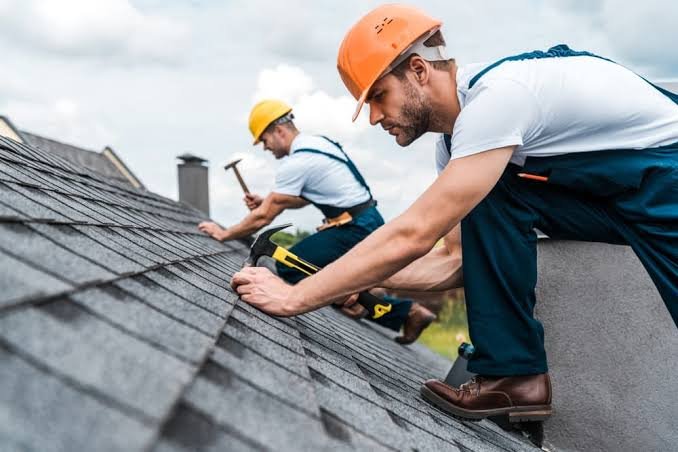
  • Signs You Need a New Roof: Repair or Replace?

    Signs You Need a New Roof: Repair or Replace?

    A small water stain on the ceiling can feel like a minor issue, until monsoon arrives and it turns into a full-blown leak. Knowing the signs you need a new roof early can save you from expensive structural damage down the line.

    Not every roofing issue means a complete replacement. Sometimes a targeted repair is enough, but ignoring the wrong signs can lead to bigger, costlier problems.

    This guide breaks down the clearest signs you need a new roof versus a simple repair, so you can make the right decision for your home this year.

    Water Stains and Ceiling Leaks

    One of the most obvious signs you need a new roof — or at least urgent repairs — is visible water damage on ceilings or upper walls.

    What to look for:

    • Brown or yellow stains spreading across the ceiling
    • Peeling paint or bubbling plaster near the roofline
    • Damp patches that reappear after every rain
    • Musty odors in upper-floor rooms

    A single, isolated stain might indicate a small, fixable leak. But recurring stains in multiple rooms, especially after monsoon season, often point to widespread roof deterioration that repairs alone won’t solve.

    If leaks keep returning even after patch repairs, that’s a strong signal the underlying roofing material has reached the end of its usable life.

    (Internal link suggestion: link to “DIY vs Professional Plumbing Repairs: When to Call an Expert”)

    Visible Cracks or Sagging in the Roof Structure

    Structural issues are among the most serious signs you need a new roof, since they affect the safety of your entire home.

    Warning signs to watch for:

    1. Visible sagging in any part of the roofline
    2. Cracks running across concrete roof slabs
    3. Bulging or uneven sections when viewed from below
    4. Gaps forming between roof sheets or tiles

    Sagging typically indicates that the underlying support structure has weakened, often due to prolonged water exposure or age. This is not something to patch temporarily — a structural engineer or roofing contractor should inspect it immediately.

    Ignoring sagging can eventually lead to partial roof collapse, especially in older buildings that have gone years without inspection.

    Roof Age and Material Lifespan

    Every roofing material has a natural lifespan, and age alone can be one of the clearest signs you need a new roof, even without visible damage.

    Typical lifespans for common roofing materials in India:

    • RCC (reinforced concrete) roofs: 30-50 years with proper waterproofing maintenance
    • Asbestos or metal sheet roofs: 20-30 years
    • Clay tile roofs: 25-40 years, depending on climate exposure
    • Waterproofing membranes: typically need reapplication every 5-8 years

    If your roof is approaching or has surpassed its expected lifespan, proactive replacement is often more cost-effective than repeated emergency repairs.

    Keeping a record of when your roof was last waterproofed or replaced helps you plan ahead rather than reacting only after problems appear.

    Increased Energy Bills From Poor Insulation

    A less obvious but important sign you need a new roof is a noticeable rise in cooling costs, especially during summer months.

    Damaged or aging roofs lose their insulating properties, allowing more heat to enter the home. This forces air conditioners and coolers to work harder, driving up electricity bills.

    Signs of roof-related heat issues:

    • Upper floors feeling noticeably hotter than lower floors
    • Rooms directly under the roof needing constant cooling
    • Visible gaps or thinning in roof insulation layers

    If your energy bills have crept up without any change in usage habits, an aging or damaged roof could be a contributing factor worth investigating.

    Moss, Algae, or Mold Growth

    Persistent moss, algae, or mold on your roof isn’t just a cosmetic issue — it’s one of the more overlooked signs you need a new roof or significant repair work.

    These growths typically indicate trapped moisture, which means water is being retained rather than draining properly. Over time, this moisture works its way into the underlying structure, weakening it from within.

    Where to check for growth:

    • North-facing roof sections, which get less direct sunlight
    • Areas near gutters or drainage points
    • Corners where water tends to pool after rain

    If cleaning the surface doesn’t stop regrowth within a few weeks, the moisture problem is likely deeper than a surface-level issue, and a professional inspection is warranted.

    (Internal link suggestion: link to “How to Increase Your Home’s Resale Value Before Listing It”)

    Granule Loss and Deteriorating Roofing Sheets

    For homes with sheet roofing or tiled surfaces, physical wear and tear is often one of the earliest signs you need a new roof.

    What to inspect for:

    • Granules collecting in gutters or at the base of downpipes
    • Cracked, curling, or missing tiles
    • Rusted or corroded metal sheet edges
    • Brittle sheets that crack easily when pressed

    Granule loss exposes the underlying material to direct UV and water damage, accelerating deterioration. Once this wear becomes widespread rather than isolated to a few tiles or sheets, replacement becomes more practical than ongoing patch repairs.

    (Suggested Image Alt Text: “Water stain on ceiling indicating roof leak”) (Suggested Image Alt Text: “Cracked roof tiles showing signs of wear”) (Suggested Image Alt Text: “Contractor inspecting roof for damage before monsoon”)

    FAQs About Signs You Need a New Roof

    1. What are the earliest signs you need a new roof? Recurring water stains, visible cracks, and rising energy bills are usually the earliest warning signs before more serious damage appears.

    2. How long does a typical roof last in India? RCC roofs can last 30-50 years with proper waterproofing, while sheet or tile roofs typically last 20-40 years depending on material and climate.

    3. Can a roof be repaired instead of replaced? Yes, isolated leaks or minor cracks can often be repaired. Widespread sagging, structural cracks, or repeated leaks usually indicate replacement is more cost-effective.

    4. Does monsoon season make roof problems worse? Yes, monsoon rains often reveal existing weaknesses, turning small leaks into more visible and urgent problems.

    5. How much does roof replacement typically cost? Costs vary widely by material, roof size, and city, so it’s best to get quotes from two or three local contractors for an accurate estimate.

    6. Should I get my roof inspected every year? Yes, an annual inspection, ideally before monsoon season, helps catch small issues before they turn into expensive repairs or replacements.

    Conclusion

    Spotting the signs you need a new roof early — water stains, structural cracks, aging materials, and rising energy bills — can save you from far costlier repairs later.

    Not every issue means a full replacement, but ignoring persistent problems rarely ends well, especially before monsoon season arrives.

    Noticing any of these warning signs at home? Get a professional roof inspection scheduled this year, and address issues early before they turn into a bigger, more expensive problem.