DIY Plumbing Repairs vs Professional Help: When to Call
A dripping tap at 11 pm, a clogged sink before guests arrive, or a running toilet that won’t stop — every homeowner has faced a plumbing problem that makes them wonder: fix it myself or call a plumber?
DIY plumbing repairs can save money and feel satisfying when they work. But plumbing is also one of those areas where a small mistake can turn into a flooded bathroom or a burst pipe. This guide breaks down exactly which repairs you can safely handle at home, and which ones need a licensed professional — so you never have to guess again.
Why People Attempt DIY Plumbing Repairs
Cost is the biggest reason homeowners try DIY plumbing repairs first. A plumber’s visiting charge alone can range from ₹300 to ₹800 in most Indian cities, before any parts or labour is added.
Convenience matters too. Weekend leaks or minor clogs often happen when plumbers aren’t easily available, so people reach for a wrench instead of a phone.
There’s also a genuine sense of accomplishment. Fixing a leaky faucet or unclogging a drain yourself feels empowering, and thanks to YouTube tutorials, many small repairs genuinely are within reach for an average homeowner.
However, confidence without knowledge is where things go wrong. Many DIY plumbing repairs fail not because the person lacked effort, but because they lacked the right tools, parts, or understanding of water pressure and pipe fittings.
(Internal link suggestion: link to an article on “Basic Plumbing Tools Every Homeowner Should Own”)
Common Plumbing Problems You Can Fix Yourself
Not every plumbing issue requires a professional. Several everyday problems are genuinely beginner-friendly.
1. Clogged drains Most kitchen and bathroom clogs are caused by hair, soap scum, or food particles. A plunger, a drain snake, or a mix of baking soda and vinegar usually clears these without any special skill.
2. Leaky faucets A dripping tap is often just a worn-out washer or O-ring. Replacing it takes under 30 minutes and costs very little.
3. Running toilets This is usually caused by a faulty flapper valve or float mechanism. Toilet repair kits are widely available and come with simple instructions.
4. Low water pressure in showerheads Often it’s just mineral buildup. Soaking the showerhead in vinegar overnight can restore pressure instantly.
5. Replacing tap washers or aerators These are cheap parts, easy to find in local hardware stores, and safe to swap without turning off the main water supply for long.
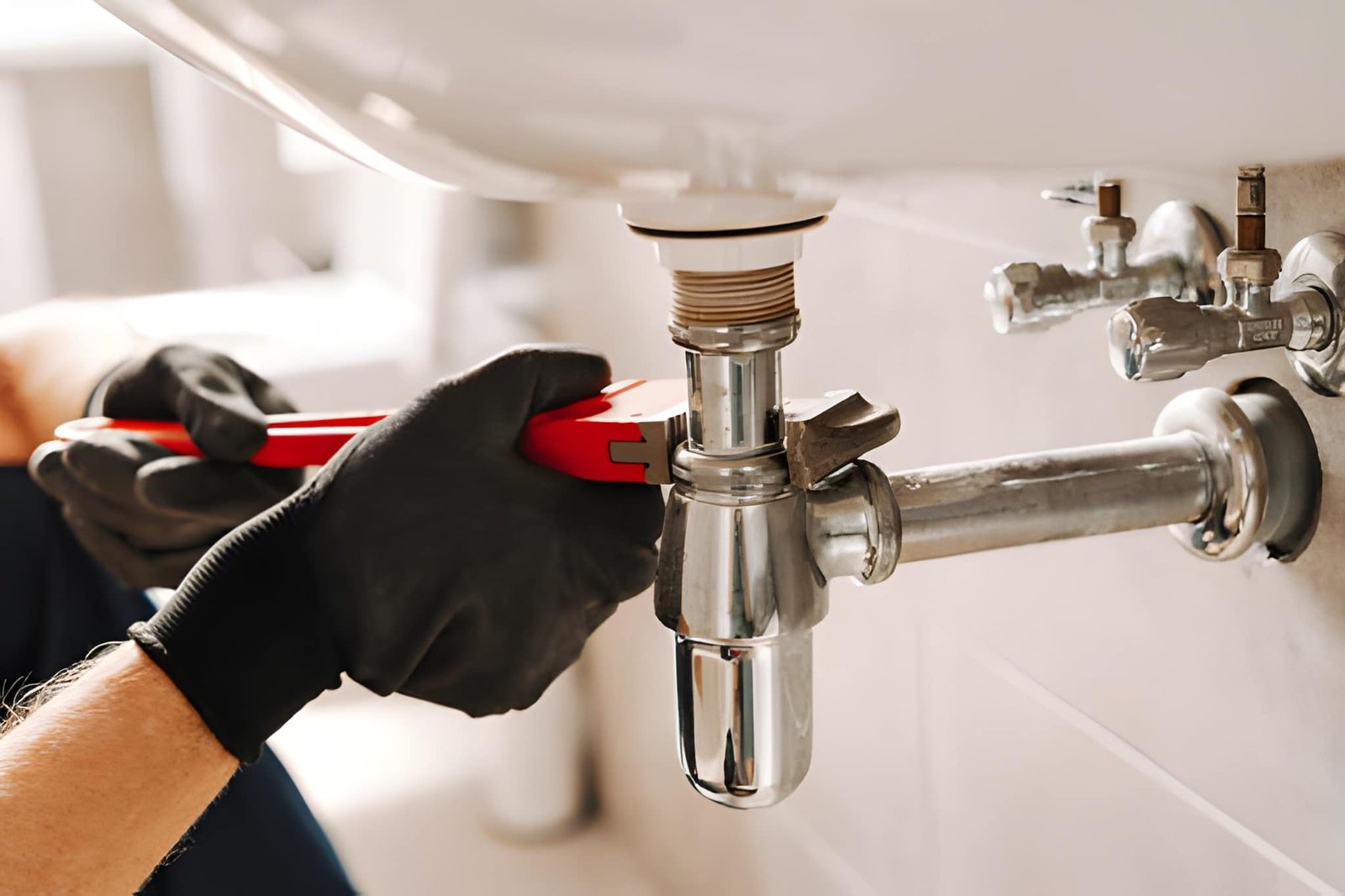
These DIY plumbing repairs require basic tools — an adjustable wrench, plumber’s tape, and a plunger — and pose minimal risk if you follow instructions carefully.
When DIY Plumbing Repairs Become Risky
Some plumbing tasks look simple but carry hidden risks. Knowing where the line is can save you from expensive mistakes.
- Working with old or corroded pipes: One wrong twist can crack a pipe that was already weakened by rust.
- Handling gas line connections: Never attempt this yourself — gas leaks are a serious safety hazard.
- Repairs involving the main water line: Mistakes here can flood your entire home.
- Anything requiring soldering or pipe cutting: Without proper training, joints may leak later even if they look fine initially.
If a repair involves shutting off your main water supply for more than a few minutes, or if you’re unsure which pipe connects to what, that’s a signal to pause and reconsider.
Signs You Need a Professional Plumber
Certain warning signs mean it’s time to stop the DIY plumbing repairs and pick up the phone.
- Recurring clogs — If the same drain clogs repeatedly despite cleaning, there may be a deeper blockage in the sewer line.
- Water discoloration — Brown or rusty water often indicates corroding pipes that need inspection.
- Sudden spike in water bills — This usually points to a hidden leak somewhere in the system.
- Gurgling sounds from drains — This can mean a venting problem or blockage in the main line.
- Multiple fixtures backing up at once — This is a strong indicator of a main sewer line issue, not a single-fixture problem.
- Water heater issues — Anything involving electrical wiring combined with water needs professional handling.
If you notice two or more of these signs together, a professional inspection isn’t optional — it’s necessary to prevent structural damage.
Cost Comparison: DIY vs Hiring a Plumber
Understanding real costs helps you decide smartly rather than emotionally.
| Repair Type | DIY Cost (approx.) | Professional Cost (approx.) |
| Leaky faucet | ₹50–₹150 (washer/O-ring) | ₹300–₹600 |
| Clogged drain | ₹100–₹300 (tools/chemicals) | ₹400–₹800 |
| Running toilet | ₹200–₹400 (repair kit) | ₹500–₹900 |
| Pipe leak repair | Not recommended | ₹800–₹2,500+ |
| Water heater repair | Not recommended | ₹1,000–₹3,000+ |
While DIY plumbing repairs are cheaper upfront, a failed attempt often costs more overall — because you end up paying for both the wasted materials and the professional call-out afterward.
Tools Every Homeowner Should Have for Basic Plumbing
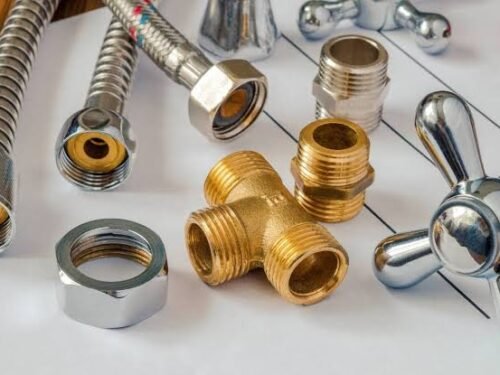
Even if you plan to call a professional for major issues, keeping a small toolkit ready makes minor DIY plumbing repairs much easier.
- Adjustable wrench
- Plunger (cup type and flange type)
- Plumber’s tape (Teflon tape)
- Drain snake or hand auger
- Pipe wrench
- Bucket and old towels (for spill control)
- Replacement washers and O-rings in common sizes
Having these on hand means you won’t be scrambling to find tools mid-repair — which is often when small jobs turn into bigger messes.
(Internal link suggestion: link to a “Home Maintenance Checklist” or “Essential Tools for Every Indian Household” article)
How to Decide: DIY or Professional? A Quick Checklist
Ask yourself these questions before starting any plumbing repair:
- Is the issue isolated to one fixture, or affecting multiple areas?
- Do I need to shut off the main water supply?
- Does the repair involve gas lines, electrical connections, or sewer lines?
- Have I attempted this fix before, or is it my first time?
- Is the necessary part easily available locally?
If you answered “yes” to shutting off the main supply, gas/electrical involvement, or multiple fixtures being affected, it’s time to call a licensed plumber rather than continuing with DIY plumbing repairs.
(Internal link suggestion: link to “How to Find a Reliable Plumber Near You” article)
Preventive Maintenance to Reduce Future Plumbing Issues
Prevention is always cheaper than repair, DIY or otherwise.
- Avoid pouring oil or food scraps down kitchen drains
- Install drain guards to catch hair and debris
- Get your plumbing system inspected once a year
- Address small leaks immediately instead of waiting
- Know the location of your main water shut-off valve
Simple habits like these reduce how often you’ll need either DIY plumbing repairs or professional intervention in the first place.
(Suggested Image Alt Text: “Homeowner using a plunger to fix a clogged sink”) (Suggested Image Alt Text: “Plumber repairing a leaking pipe under a kitchen sink”) (Suggested Image Alt Text: “Basic plumbing toolkit with wrench, plunger, and Teflon tape”)
FAQs About DIY Plumbing Repairs
1. Are DIY plumbing repairs safe for beginners? Yes, for minor issues like clogged drains or leaky faucets. Beginners should avoid anything involving main lines, gas, or electrical connections.
2. What tools do I need for basic DIY plumbing repairs? An adjustable wrench, plunger, plumber’s tape, and a drain snake cover most common household repairs.
3. Can DIY plumbing repairs void my home warranty? In some cases, yes — especially for water heaters or built-in systems still under warranty. Always check terms before attempting repairs yourself.
4. How do I know if a leak is serious enough for a professional? If the leak is near electrical wiring, involves the main supply line, or you notice water stains spreading on walls or ceilings, call a professional immediately.
5. Is it cheaper to hire a plumber or do it myself? For minor fixes, DIY is cheaper. For complex issues, attempting DIY first and failing often costs more than hiring a plumber from the start.
6. How often should I get my plumbing professionally inspected? Once a year is generally recommended, especially for older homes or buildings with ageing pipe networks.
Conclusion
DIY plumbing repairs are a great option for small, low-risk problems like clogged drains, leaky faucets, and running toilets. They save money and build practical skills over time.
But when a repair involves your main water line, gas connections, electrical systems, or recurring issues across multiple fixtures, it’s time to call a licensed professional. The cost of a plumber is always smaller than the cost of water damage.
Keep a basic toolkit at home, know your limits, and don’t hesitate to pick up the phone when a job feels beyond your comfort zone. Your home — and your wallet — will thank you.
Ready to tackle your next plumbing issue? Start with the simple fixes above, and if things get complicated, don’t wait — book a professional plumber before a small leak becomes a big repair bill.