
Tree Removal Crane: A Safer Approach for Large Trees
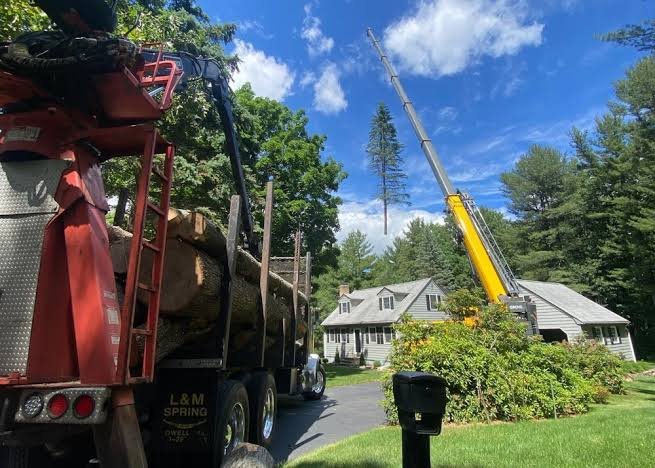
Large trees can add beauty and shade to a property, but removing them becomes challenging when branches extend over homes, pools, fences, power lines, driveways, or other structures. A tree removal crane can provide a controlled solution for projects where conventional cutting and lowering methods may create unnecessary risks or property damage.
For property owners in Arizona, professional crane-assisted tree removal can be especially useful when dealing with mature trees, restricted access, storm-damaged growth, or complicated landscapes. AZ Crane & Grapple provides specialized crane and grapple equipment for residential and commercial projects throughout Arizona, with a focus on controlled lifting, property protection, and efficient debris handling.
Why Large Tree Removal Requires Careful Planning
Tree removal is more than simply cutting through a trunk. The size, location, condition, and surrounding environment of a tree all influence how safely it can be dismantled.
A mature tree positioned close to a building may not have enough open space for branches or trunk sections to fall naturally. Traditional removal techniques can require extensive rigging, multiple cutting stages, and careful lowering of heavy sections.
Before work begins, several factors should be assessed:
- Tree size, structure, and overall condition
- Nearby buildings, fences, pools, and landscaping
- Available equipment access
- Power lines and other potential hazards
- Ground conditions and available setup space
- Size and weight of branches or trunk sections
- Cleanup and hauling requirements
Professional planning helps determine whether crane-assisted removal is suitable for the property.
How a Tree Removal Crane Supports Controlled Removal
A crane changes the way large sections of a tree can be handled. Instead of allowing heavy pieces to fall or relying entirely on ropes and manual lowering, crane equipment can lift selected sections and place them in a designated area.
This approach can be particularly valuable when a tree is located in a tight residential setting. Large sections can be removed vertically and moved away from sensitive areas before being lowered.
The process generally involves several stages:
- Site assessment: The work area is reviewed to identify access limitations, nearby structures, hazards, and potential landing zones.
- Crane positioning: Equipment is positioned where lifting operations can be performed safely and effectively.
- Removal planning: Tree sections are identified and prepared for controlled lifting.
- Section lifting: Cut sections are attached appropriately and lifted with controlled crane movements.
- Placement: Removed material is lowered into a suitable area for processing, hauling, or further handling.
- Cleanup: Logs, branches, and debris can be loaded and removed from the property.
Each project requires site-specific planning because tree structure, terrain, access, and surrounding hazards vary.
Tree Removal Crane Services for Difficult Locations
Some of the most challenging tree projects involve properties where there is very little room for conventional removal. A mature tree may stand between a house and a property boundary, beside a pool, inside a landscaped backyard, or near a commercial building.
In these situations, specialized lifting equipment can help reduce the need to drag large pieces across the property. This can help limit disruption to lawns, driveways, landscaping, and other surfaces.
Crane-assisted removal may be especially practical for:
- Large mature trees
- Trees positioned near homes
- HOA communities with restricted spaces
- Commercial properties
- Trees near pools and fences
- Storm-damaged trees
- Difficult-access properties
- Heavy trunk and limb removal
The objective is not simply to remove the tree. The objective is to manage each section in a controlled manner while considering the surrounding property.
Property Protection Should Be Part of the Plan
One of the biggest concerns during large tree removal is what happens to everything surrounding the tree. A falling branch or heavy trunk section can damage structures, landscaping, irrigation systems, driveways, or other valuable features.
A crane-assisted approach can help provide greater control over where heavy sections are moved. Instead of depending entirely on gravity and available drop zones, selected pieces can be lifted and directed toward an appropriate landing area.
However, equipment alone does not guarantee a safe project. Proper planning, experienced operators, suitable rigging practices, communication, and site awareness remain essential.
Property owners should ask service providers about the removal process, equipment requirements, access needs, and property-protection measures before work begins.
Arizona Conditions Can Make Tree Projects More Complex
Arizona properties have their own set of environmental and access challenges. Desert landscaping, mature shade trees, narrow residential lots, intense weather, and seasonal monsoon activity can all influence tree-removal requirements.
Storms can leave broken limbs or partially uprooted trees in unstable positions. These situations may require prompt attention because damaged trees can create hazards for residents, vehicles, buildings, and surrounding areas.
AZ Crane & Grapple offers storm cleanup, emergency tree services, log and debris hauling, and heavy material handling alongside crane-assisted tree removal. The combination of lifting and hauling capabilities can help address projects involving both tree sections and substantial debris.
Choosing the Right Equipment for Large Tree Projects
Not every tree requires a crane. Smaller trees in open areas may be manageable using conventional equipment and established removal techniques.
A crane becomes more valuable when the tree’s size, position, or surroundings create additional handling challenges. An experienced service provider can assess the site and determine whether specialized equipment makes practical sense.
Consider asking these questions before scheduling service:
- Is the tree located close to a structure?
- Are large sections difficult to lower safely?
- Is access for traditional equipment limited?
- Could falling material damage landscaping or property?
- Has storm damage made the tree unstable?
- Will substantial logs and debris need to be hauled away?
Clear answers can help establish the right approach before work starts.
Crane-Assisted Tree Removal and Debris Handling
Removing the tree is only one part of a large project. Once heavy branches and trunk sections are on the ground, they still need to be processed, loaded, and transported.
Grapple truck services can complement crane-assisted removal by handling logs, brush, storm debris, and oversized material. This can reduce manual loading requirements and help move substantial amounts of debris more efficiently.
For contractors, property managers, municipalities, and large residential cleanup projects, combining specialized lifting with hauling services can make the entire workflow more practical.
A coordinated approach also helps keep the jobsite organized as material is removed instead of allowing large debris piles to accumulate unnecessarily.
What Property Owners Should Expect From a Professional Service
A professional tree-removal project should begin with communication rather than immediate cutting. The service provider should understand the property’s layout, the tree’s location, the customer’s concerns, and the intended outcome.
A quality project typically involves:
- A review of the tree and surrounding area
- Identification of potential hazards
- Equipment and access planning
- Controlled removal procedures
- Attention to surrounding structures
- Appropriate debris handling
- Final cleanup considerations
Experience matters because every property presents different conditions. A removal strategy that works in an open field may not be appropriate for a crowded residential lot.
When to Consider Professional Tree Removal
Warning signs such as cracked limbs, storm damage, severe leaning, dead branches, root problems, or significant structural deterioration should not be ignored. A tree that appears manageable from the ground may contain hidden hazards that become more serious during removal.
Professional assessment is particularly important when a tree is large, damaged, or positioned close to people and structures. Attempting a complicated removal without appropriate equipment and expertise can expose property owners and surrounding areas to unnecessary risk.
Final Thoughts on Tree Removal Crane Solutions
Large-tree removal requires more than cutting equipment. It requires planning, controlled handling, suitable machinery, and attention to the property surrounding the work area. A tree removal crane can provide an effective option for lifting and positioning heavy tree sections when conventional removal methods are difficult or restrictive.
For Arizona homeowners, contractors, commercial property managers, and other property owners facing challenging tree projects, AZ Crane & Grapple offers crane-assisted tree removal, grapple truck services, storm cleanup, emergency tree services, and heavy material handling. Visit the official website to learn more about available services and request a project estimate.