Reliable Water at Home: Understanding Pressure, Plumbing, and Drinking Water Quality

Water is one of those everyday essentials that we tend to take for granted. Turn on a tap, fill a glass, take a shower, and get on with the day. It’s only when the pressure drops, a pump starts cycling constantly, or the water develops an unusual taste that we begin to think about the system behind the walls.
A reliable water supply depends on several things working together. Pumps need to operate correctly, plumbing must be in good condition, and water treatment equipment should suit the quality of the incoming supply. When one part falls short, the effects can show up throughout the house. Understanding these basics helps homeowners spot problems early and make sensible decisions about repairs and upgrades.
Why Consistent Water Pressure Matters
Imagine turning on the shower in the morning only to get a weak trickle. Then someone opens a kitchen tap, and the pressure drops even further. It’s frustrating, especially in a busy household where several people need water at roughly the same time.
Low pressure can have several causes. A partially closed valve, clogged filter, leaking pipe, faulty pump, or buildup inside older plumbing may restrict the flow. In homes connected to a municipal supply, the problem could also originate outside the property. For homes using private wells, the pump and pressure-control equipment deserve particular attention.
A pressure gauge can help identify whether the system is operating within its intended range. However, pressure readings alone don’t explain every problem. A system may show adequate pressure when no water is flowing but struggle once several fixtures are in use. That’s why both pressure and flow rate matter.
If the change happens suddenly, check for visible leaks and contact a qualified plumber when necessary. Persistent pressure problems shouldn’t simply be ignored, since they can point to equipment failure or a restriction that will become worse over time.
The Role of Pressure Tanks in a Well System
Private wells often rely on a pump to move water into the home. Without suitable controls, that pump could switch on every time someone opens a tap, even for a few seconds. Frequent starting and stopping creates unnecessary wear and can shorten the life of the equipment.
This is where pressure tanks become useful. In a typical well-water system, the tank stores a reserve of pressurized water and helps regulate pump operation. Many models use a flexible bladder or diaphragm to separate water from compressed air. As water is drawn from the tank, the pressure gradually falls until a control activates the pump to replenish the supply.
Correct sizing is important. A tank that’s too small for the pump and household demand may allow frequent cycling, while an unsuitable installation can lead to pressure fluctuations and maintenance issues. The tank’s rated capacity also isn’t the same as the volume of water it can deliver between pump cycles.
Homeowners should pay attention to warning signs such as unusually frequent pump starts, pressure that rises and falls dramatically, waterlogged equipment, or unexpected noises. These symptoms can have different causes, so it’s best to have the system assessed rather than replacing parts based on guesswork.
Regular inspection of the pressure switch, tank pre-charge, connections, and pump operation can help maintain dependable performance. Because these components operate under pressure and involve electrical equipment, repairs should be handled by someone with the appropriate training.
Good Plumbing Is About More Than Stopping Leaks
When people think about plumbing, they often picture blocked drains, dripping faucets, or a pipe that has burst beneath the sink. Those are important concerns, but the overall condition of a home’s water distribution system also affects reliability and water quality.
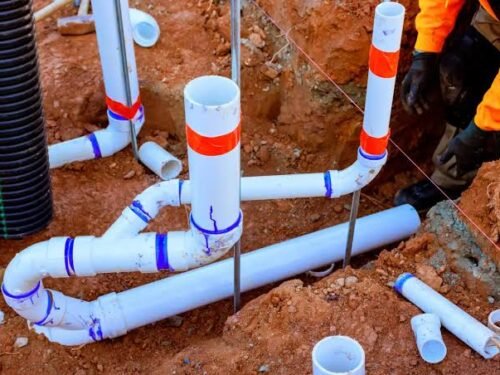
Sound general plumbing maintenance includes checking visible pipes for corrosion, inspecting connections for leaks, keeping fixtures in good working order, and ensuring that valves operate properly. Even a small leak can waste a surprising amount of water over time. Hidden leaks may also damage cabinets, walls, flooring, and structural materials before the problem becomes obvious.
Older pipes can create additional challenges. Corrosion or mineral deposits may restrict flow, while damaged fittings can allow water to escape. If water suddenly looks rusty after plumbing work or a supply interruption, the cause needs to be investigated. The discoloration may come from disturbed deposits, but it shouldn’t automatically be assumed harmless.
Pay attention to changes in several fixtures at once. A problem affecting only one tap may involve its aerator or local connection, whereas a property-wide change could point to the main supply, pressure-control equipment, or a broader plumbing issue.
Preventive maintenance is usually less disruptive than emergency repairs. Keep access to shut-off valves clear, know where the main water supply can be isolated, and arrange professional inspections if the plumbing is old or has a history of recurring problems.
Protecting the Quality of Your Drinking Water
A dependable water supply must do more than reach the tap. It should also be suitable for its intended use. Clear water isn’t necessarily safe, and unusual taste or odor doesn’t always identify the substance responsible.
Municipal water is generally treated and monitored, but water quality can still be affected by distribution infrastructure or plumbing within a property. Private wells have different risks because their quality depends on local geology, surrounding land use, well construction, and maintenance.
If you’re unsure about the safety of your supply, testing is the sensible starting point. A qualified laboratory can check for concerns relevant to your location, such as bacteria, nitrate, metals, or other contaminants. For private wells, testing should be repeated periodically and after events such as flooding or damage to the well.
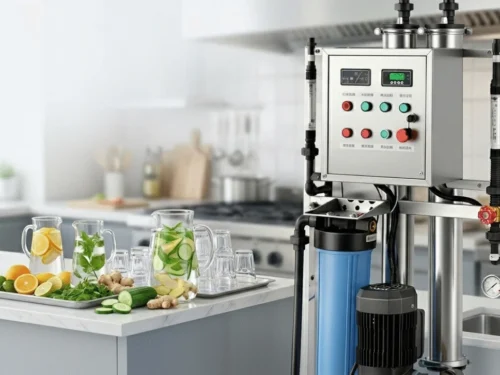
The aim is clean safe drinking water that meets appropriate health standards, not simply water that looks appealing in a glass. Treatment should be selected according to test results because different technologies address different problems. A sediment filter may remove visible particles, activated carbon can reduce certain taste and odor compounds, and reverse osmosis may reduce a range of dissolved substances. None should be assumed to remove every possible contaminant.
If testing identifies a health-related problem, follow the laboratory’s or relevant public health authority’s recommendations. Boiling can address many disease-causing microorganisms, but it does not remove most chemical contaminants and may concentrate some dissolved substances as water evaporates. The correct response depends on what’s present.
Choosing Water Treatment Equipment Wisely
Water treatment products can be helpful, but buying a system before identifying the problem may waste money. Start by considering whether the concern affects the whole property or only drinking water at a particular tap.
A whole-house filter may be suitable when sediment or certain taste and odor issues affect several fixtures. A point-of-use system may be more practical when the main goal is reducing a specific contaminant in drinking water. If hardness is the issue, a softener may help reduce scale, although it isn’t a substitute for disinfection or contaminant-specific treatment.
Look for independent certifications that match the substances you need to reduce. Ask how often cartridges must be replaced, whether the equipment affects water pressure, and what ongoing maintenance will cost. A system that isn’t serviced according to its instructions may gradually lose effectiveness.
Be cautious about broad claims that one device makes all water completely pure. A reputable supplier should explain the system’s limitations and recommend testing when necessary. That kind of straightforward advice is far more useful than a sales pitch based on fear.
Keep the Entire System Working Together
Pumps, tanks, pipes, fixtures, and filters don’t operate in isolation. A clogged filter can reduce flow, a leaking pipe can affect pressure, and a poorly maintained well system can put unnecessary strain on the pump. Addressing only the most obvious symptom may leave the underlying cause unresolved.
Keep basic maintenance records, including repairs, filter changes, water tests, and pump servicing. These details can help a plumber recognize patterns if the same issue returns. They also make it easier to plan replacements before equipment fails unexpectedly.
Ultimately, reliable household water comes from paying attention to the complete system. Check problems when they first appear, test water when safety is uncertain, and use qualified professionals for work involving pressurized or electrical equipment. With sensible maintenance and the right treatment choices, your water system can provide consistent service without turning everyday routines into a constant source of frustration.